EN
EN FR
FR DE
DE ES
ES
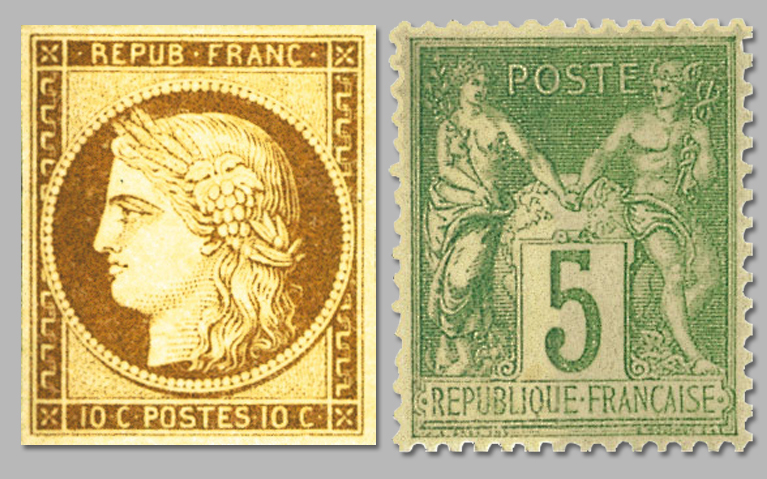
What determines the value of a stamp? According to experts Yvert & Tellier, the value of stamps depends on several criteria and can be illustrated through legendary examples from the world of philately:
- the French 1 Franc Vermilion (France No. 7 - Yvert & Tellier),
- the British Black Penny (Great Britain No. 1 - Yvert & Tellier),
- the famous Mauritian One Penny and Two Pence stamps (Mauritius - British Colony No. 1 and 2).
The rarity of a stamp is determined by its age, face value, print run and any manufacturing defects.
Frequently asked questions from collectors
"How much is my collection worth?" "If I sell it today, how much will I get for it?" These are common questions, especially for those who inherit a collection. The value of a collection is based on rarity, quality and demand.
The rarity of items is determined using general or specialised philatelic catalogues. For letters or postal items, it can be more subjective, and it is advisable to seek advice from an expert or a philatelic association.
For a stamp, quality is assessed by its condition: correct perforation, impeccable gum for mint stamps, and proper centring. For a letter, quality is more variable. A few exceptional items may represent the bulk of a collection's value. Finally, demand on the philatelic market can cause values to fluctuate, except for rare or famous items, which always find a buyer.
Catalogues: essential tools
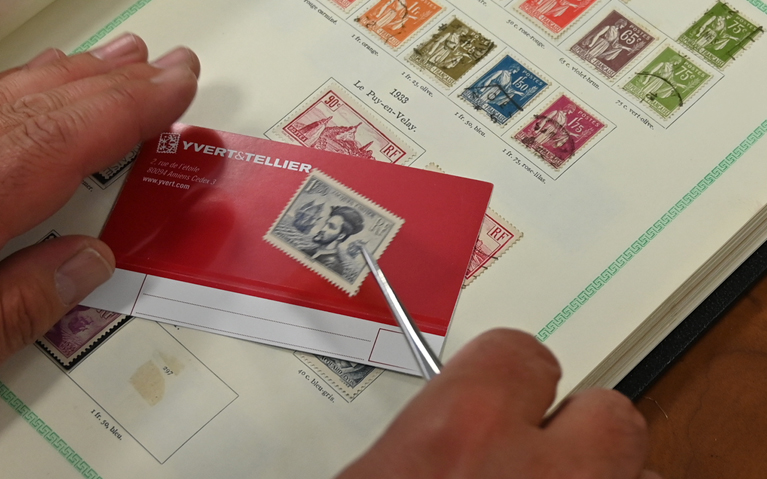
Price catalogues, such as those published by Yvert & Tellier, enable you to identify stamps, learn about their characteristics and estimate their value. An alphabetical index by theme helps you find a stamp.
Stamps are classified by country and year of issue. Each catalogue indicates the subject, printing method, face value, perforation, print run, designer and engraver, postal use and date of withdrawal. Each stamp is identified by a unique, internationally recognised number.
The catalogues give a rating depending on whether the stamp is mint, with hinge marks, or cancelled. Since 1996, Yvert & Tellier has added a third column for issues between 1900 and 1959. This rating serves as a basis for transactions but does not constitute a fixed price.
Catalogues are also available in digital and online versions. Phila'Plus online allows you to manage multiple collections, edit mancolises and facilitates the valuation of stamps.
Should you have your stamps appraised?
Expert appraisal allows you to authenticate and value a stamp or postal item. Yvert & Tellier dealers and experts, who are members of the CNEP, can examine items and provide a certificate of authenticity for valuable stamps. This certificate describes the conformity and characteristics of the item and includes a photo. Expert appraisal is recommended for items of significant value and protects the purchaser and their beneficiaries for thirty years.
It is important to verify the authenticity of certificates to avoid forgeries.
How to estimate the value of your stamps
According to philatelic experts, there are several criteria for estimating the value of a collection: rarity, quality, condition and market demand. Catalogues and digital tools are essential for obtaining a reliable estimate.
How to have your stamps appraised
Expert appraisal involves examining a stamp or postal item, verifying its authenticity and, if necessary, issuing a certificate of authenticity. It allows you to distinguish between authentic items and forgeries and to assess the value of a collection.
How to sell your stamp collection
Yvert & Tellier offers several sales channels:
- private sale (cash purchase of the collection),
- auction,
- sale by tender.